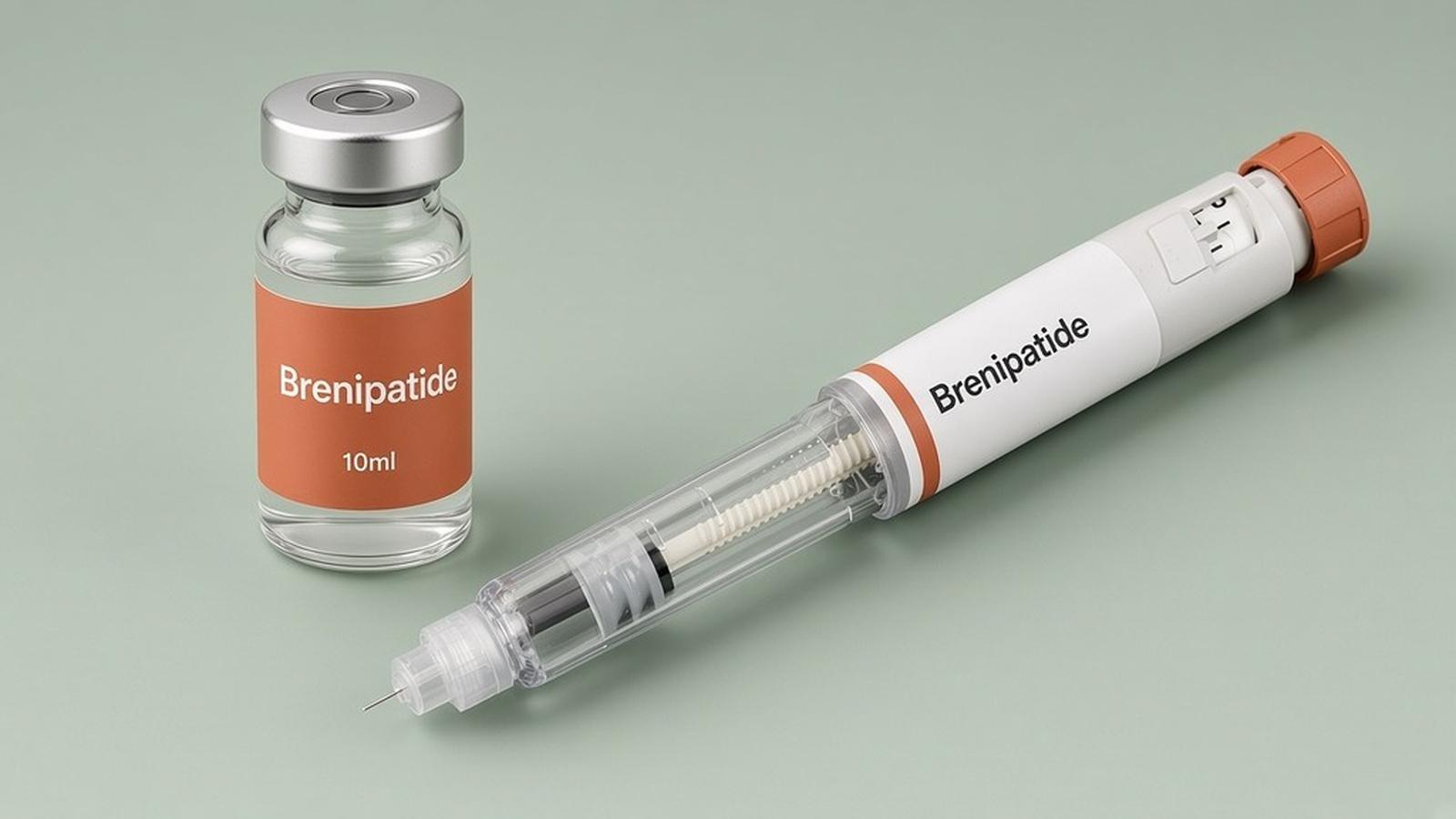

Medication is another tool that can help people in recovery. Taking it as prescribed does not make your recovery less valid. Naltrexone is not addictive; using it is not replacing alcohol with another addictive substance.
That answers the medication question. But there may be something else you want to ask:
“If I need help from a prescription, does my recovery still count?”
Maybe a relative has strong opinions about medication. Maybe someone in your recovery group has questioned it. Or perhaps nobody has said anything, and you are the one wondering whether accepting help means you have failed.
Bring that worry to the appointment, too. You can talk about what taking medication would mean to you while you learn about its possible benefits and risks.
What does medication stigma sound like?#
Medication stigma is the criticism attached to using a medicine for treatment. “You should be able to stop through willpower” is one example. You might hear it from someone else or notice yourself thinking it. NIAAA identifies shame and negative judgments about alcohol use disorder as obstacles to seeking care.
Not every concern is stigma. Asking about nausea is a medication question. Asking who will pick up the children is a logical question. Saying that a prescription makes your effort worthless is a judgment about you. Distinguishing those conversations can make it easier to identify what actually needs attention.
Is medication for alcohol recovery a crutch?#
Using medication is a legitimate treatment choice. Naltrexone, acamprosate, and disulfiram are FDA-approved medications for alcohol use disorder, with different uses and precautions. A qualified prescriber can help assess which options, if any, fit your situation.
Medication should be a part of the conversation from the very first appointment. You can ask about it before you have tried everything else.
Tell your prescriber what you hope treatment will change and what worries you. Work through the benefits and risks collaboratively. If you prefer a plan without medication, say so; your preferences belongs in the discussion as well.
For medication background, see Sunflower Clinic’s naltrexone overview.
Does taking naltrexone mean I am not sober?#
Taking naltrexone does not itself intoxicate you. It also does not prevent intoxication if you drink alcohol. Those are separate questions from what the word “sober” means to you.
The word sober may matter a great deal to you. You may instead describe yourself as in recovery, or simply say that you are changing your drinking. Your treatment appointment can focus on what you want to change without settling which label everyone else should use.
If your goal is abstinence and you drink, tell your care team. Look at what happened, whether there is a safety concern, and what needs adjusting. You can take the episode seriously without treating all your earlier effort as wasted.
Is naltrexone addictive, or am I replacing one addiction with another?#
Naltrexone is not addictive and does not cause a withdrawal syndrome when stopped. That does not make it risk-free; discuss medication changes with your prescriber.
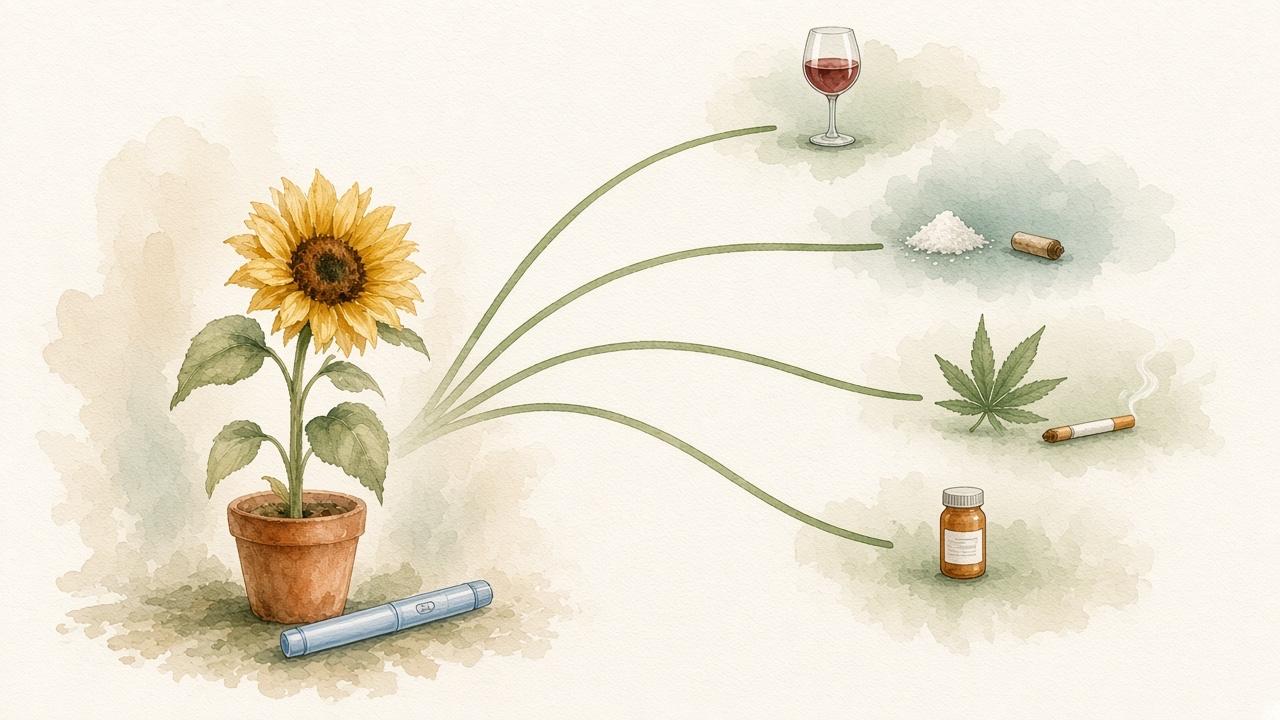
It is also different from other addiction medications. Naltrexone blocks opioid receptors. Methadone and buprenorphine, used to treat opioid use disorder, activate those receptors fully or partially, respectively.;
Physical dependence, in which the body adapts and withdrawal can occur, is different from addiction involving compulsive use despite harm. Methadone and buprenorphine treatment should not be dismissed as substituting one addiction for another.
Those distinctions help explain how the medicines work. They do not give anyone a reason to rank one person’s recovery above another’s.
What does accountability look like while taking medication?#
A prescription will not settle every argument or repair trust on its own. There may still be a missed commitment to discuss, an apology to make, or an arrangement that needs to change. You can work on those things while receiving treatment.
Consider what accountability would look like this week:
- Telling clinicians what is happening with drinking, medication, and other substance use.
- Discussing side effects, doubts, cost, or other barriers.
- Making realistic agreements about driving, money, or childcare.
- Acknowledging harm and choosing a specific step toward repair.
- Asking for help when an agreement is not working.
If someone was hurt, they may need time, even when you are making changes. They can set boundaries, and you can ask for support. Neither person has to pretend that everything is resolved.
Getting help and taking responsibility can happen together.
What can I say when family or recovery peers criticize my medication?#
These are fictional conversation examples, not patient quotations.
You do not need a speech ready for every objection. Choose a response you could actually say, and use it only if the conversation feels safe. It is also reasonable to pause or talk it over with your therapist first.
“You are taking the easy way out.”
“I’m getting treatment because I want things to change. If there’s something specific you’re worried about, we can talk about that.”
“You are not really sober on medication.”
“I’m taking a medication my prescriber and I agreed on. I don’t want to turn this into an argument about whether my recovery counts.”
A shorter boundary is enough, too:
“I’m discussing medication decisions with my prescriber.”
“Are you going to rely on a pill instead of changing?”
“There are still things I’m working on. Taking medication doesn’t mean I think a pill will repair everything between us.”
“When are you going to stop taking it?”
“I don’t have a stop date to give you. My prescriber and I will review how it’s going and what to do next.”
“Why won’t you tell us what you take?”
“I’m getting professional support for my drinking. I’m keeping the details private.”
You can keep medical details private in a social conversation. Your clinicians still need an accurate medication and substance-use history to help you make safe decisions.
What does A.A. say about prescribed medication?#
A.A.’s pamphlet The A.A. Member—Medications and Other Drugs advises members to leave medical advice and treatment to qualified physicians rather than taking on that role themselves. This is general medication guidance, not an endorsement of a particular naltrexone treatment plan.
A comment from one member is not necessarily A.A.’s position. If you keep feeling pressured to stop prescribed treatment, tell your care team what is happening and discuss other places to find support.
Sunflower Clinic’s guide to support groups offers broader context for exploring those options.
Can a therapist help without pushing me toward medication?#
You can ask for that directly:
“I want help understanding my feelings about medication. I don’t want the session to become an argument for taking it.”
Questions to explore could include:
- What do I hope treatment will change?
- Which concerns need medical information?
- Which concerns involve judgment, identity, or belonging?
- Would I feel differently if nobody else knew my decision?
- What would help me feel heard in the conversation?
You do not have to arrive convinced that medication is right for you. Tell the therapist if you felt pushed or dismissed in an earlier conversation. Being heard matters when you are trying to make a decision you can live with.
How can I examine my own beliefs?#
Try writing down one worry before your next appointment. If you get stuck, choose one of the prompts below. Skip anything you do not want to explore, and stop if it feels like too much to work through on your own.
- The message I learned: “People who take medication for alcohol recovery are…”
- Where it came from: “I heard or absorbed this from…”
- What I fear: “If I take medication, I worry that…”
- The other side: “If I do not take medication, I worry that…”
- What I want: “I want treatment to help me become more able to…”
- My next step: “One question or conversation that would help me is…”
Read your answer back. Is it a question about the medicine, a fear of someone’s reaction, or a rule you have been applying to yourself? It may be more than one.
You can take that unfinished question into therapy. You do not have to decide about a prescription while doing this exercise.
What belongs in the medical conversation?#
Discuss suitability, side effects, interactions, and any decision to start, change, or stop treatment with a qualified prescriber. Naltrexone can precipitate severe opioid withdrawal, interfere with opioid pain treatment, and cause liver injury. Share your full medication and substance-use history.
Naltrexone does not treat alcohol withdrawal. If you may be physically dependent on alcohol or have had withdrawal before, seek medical guidance before abruptly reducing or stopping. Call 911 for seizures, hallucinations, or severe confusion during possible withdrawal.;
At your next appointment, name the concern that has been hardest to say aloud. It might be a side effect. It might be, “I’m afraid people will think I took a shortcut.” Both deserve room in the conversation.