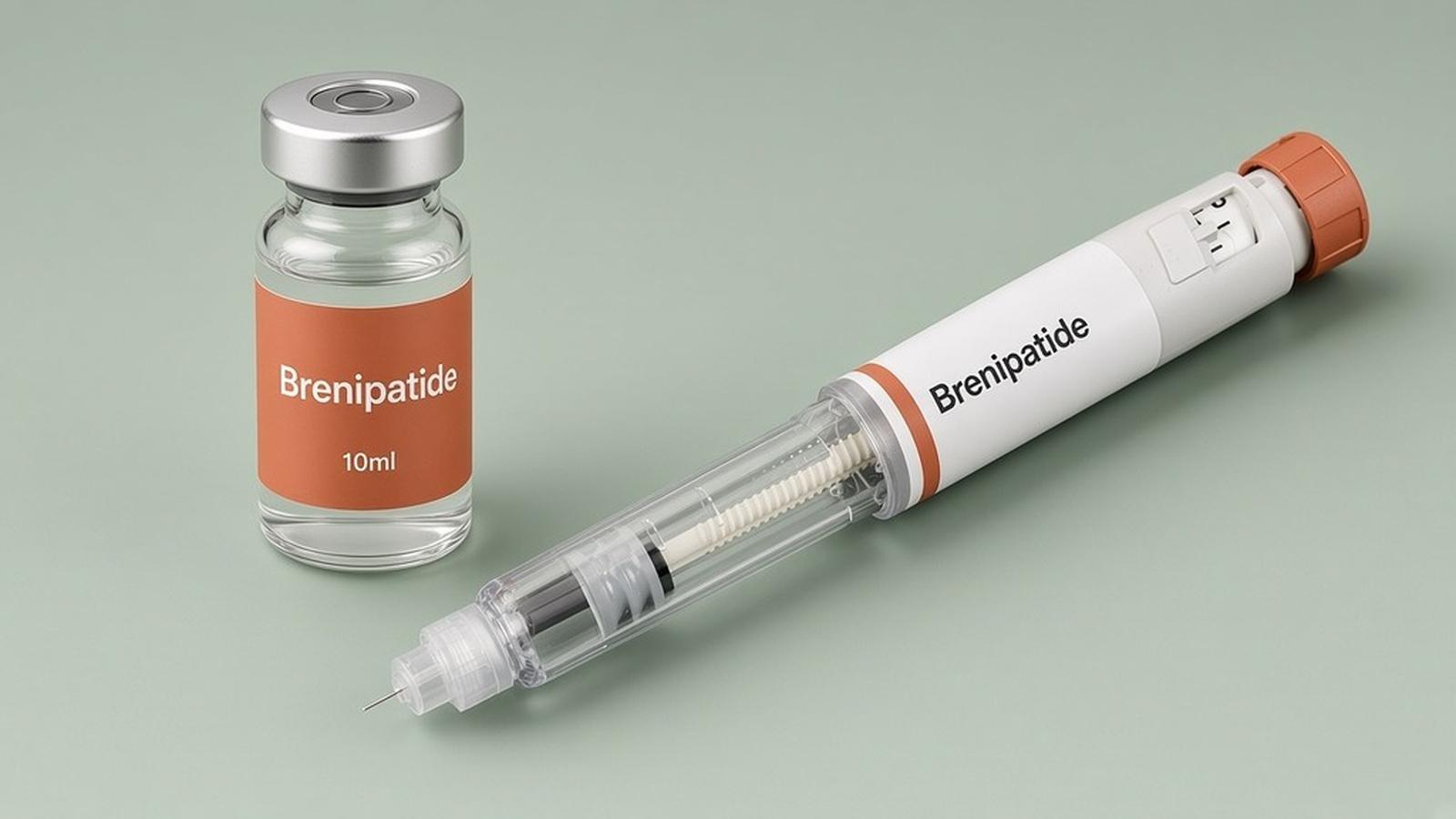
GLP-1s have been all the rage recently in treating obesity. You have probably heard of Ozempic (semaglutide) and Mounjaro (tirzepatide), diabetes medications that are also sold for weight loss as Wegovy and Zepbound. But there is a new investigational medication in late-stage development called Brenipatide. It is not yet approved and is unlikely to reach the market for a few years. Brenipatide is in Phase 3 clinical trials for alcohol use disorder (RENEW-ALC-1 and RENEW-ALC-2), and Eli Lilly's trial registrations list it in other conditions as well.
What Is Brenipatide?#
Brenipatide (LY3537031) activates GLP-1 receptors as well as GIP receptors. GLP-1 and GIP are hormones that are naturally made in our bodies and they help regulate appetite and energy balance. Interestingly, GLP-1 receptors also exist in the brain, where they play a role in feeding behavior and the rewarding feeling that we feel after we eat something delicious,. GIP is less studied, but we know that there are GIP receptors expressed in the brain.
The Connection Between Metabolism and Brain Reward#
To understand why Brenipatide is being studied in addiction, it is helpful to examine what is going on in the brain during reward processing.
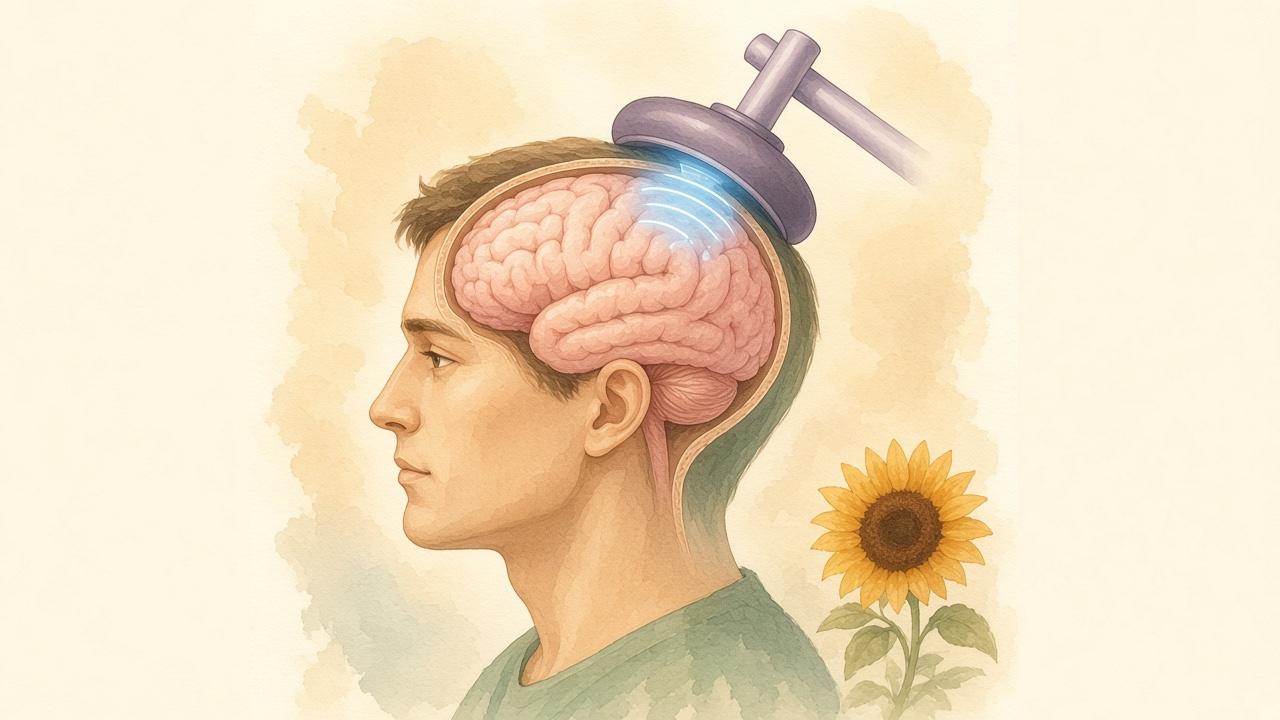
One of the most “famous” brain pathways involved in addiction is called the mesolimbic dopamine pathway. This circuit (connecting brain regions) involves dopamine (the “feel good” chemical in our brain), with the ventral tegmental area (VTA) sending signals to the nucleus accumbens (NAc). Both of these brain structures are important in reward and motivation. Substances that can be addictive, including cocaine, alcohol, and even caffeine, affect dopamine in this pathway. Motivation and reward-seeking behaviors involved in food intake also overlap with this circuitry.
GLP-1/GIP Drugs in Psychiatric Clinical Trials#
Currently, there are 34 ongoing randomized trials registered on ClinicalTrials.gov that are investigating incretin-based therapies, including GLP-1 receptor agonists and GLP-1-containing co-agonists such as Brenipatide, as potential treatments for psychiatric disorders. Some of the psychiatric conditions being researched in these trials are alcohol use disorder (AUD), major depressive disorder (MDD), opioid use disorder (OUD), tobacco or nicotine use disorder, bipolar disorder, other substance use disorders such as cannabis, cocaine, and methamphetamine, and binge-eating disorder.
Brenipatide Phase 3 Trials for Alcohol Use Disorder and Depression#
Following earlier-phase studies, Brenipatide is now in Phase 3 trials for AUD and MDD, and other studies in the program are still under way. Two of the Phase 3 trials (RENEW-ALC-1 and RENEW-MDD-1) are still enrolling, and topline results are expected in 2028,. The RENEW-ALC-1 study is enrolling about 1,100 adults with moderate-to-severe AUD and measuring changes in drinking patterns with Brenipatide compared to placebo. In the MDD study, adults who are stable on antidepressants are taking Brenipatide or placebo, and the outcome measured will be the time to a relapse of depressive episodes,.
Phase 2 Trials: Smoking, Bipolar Disorder, Schizophrenia, and More#
Mid-stage Phase 2 studies are investigating whether Brenipatide reduces the risk of relapse to smoking compared to placebo (RENEW-Smk-1), as well as whether it delays time to relapse in patients with bipolar disorder when added to standard care (RENEW-Bipolar-1). The schizophrenia trial (RENEW-Scz-1) is a Phase 2 study testing whether Brenipatide added to standard antipsychotic care, compared with placebo added to standard care, is effective and safe, including whether it delays worsening of symptoms. Other active Phase 2 studies are investigating opioid use disorder, asthma, and irritable bowel syndrome with constipation (IBS-C).
Brenipatide Side Effects and Safety#
In an early Phase 1 study, most side effects were mild, and Brenipatide was generally well tolerated. Gastrointestinal effects such as nausea occurred about as often with Brenipatide as with placebo. Its long half-life (about 9–12 days in early Phase 1 data), longer than that of approved weekly GLP-1/GIP drugs, supports once-weekly dosing,. In this early study, dysesthesia-related side effects, unusual touch-based skin sensations, were reported in 15.2% of patients taking Brenipatide and none of those taking placebo; all but one were mild, and all resolved,.
The Phase 3 alcohol use disorder trial is expected to finish data collection around April 2028, so efficacy results compared with placebo are not expected before then. Timing for the Phase 3 depression trial and the Phase 2 studies is less clear.
What Brenipatide Could Mean for Addiction and Mental Health Treatment#
Currently, psychiatric disorders and substance use disorders are treated with medications that have completely different mechanisms compared to the mechanism discussed in this article. Targeting these conditions using the GLP-1/GIP mechanisms represents a new era in the field.
I am excited about this emerging era on two fronts: as a psychiatrist and as a neuroscientist. As a psychiatrist, it is thrilling to witness mental health and substance use disorders finally gaining traction with newer treatments in the pipeline. In my practice, it seems like we are mostly prescribing medications that have been around for decades, and it is definitely time for change and new breakthroughs. As a neuroscientist, this is allowing me to take a step back and look at the brain from a zoomed-out view. The brain consists of multiple overlapping circuits that play a role in diverse sets of behaviors and mental health conditions, and targeting different mechanisms may lead to multiple new and exciting treatments.