
Almost everyone has heard one thing or another about GLP-1 medications. GLP-1s include semaglutide (Ozempic, Wegovy) and tirzepatide (Mounjaro, Zepbound). GLP-1s exploded onto the market in the last few years, and have been especially talked about when celebrities in Hollywood appear in the public eye suddenly noticeably thinner. GLP-1 medications are highly effective in treating diabetes and obesity, but recently researchers have been investigating whether they can also be useful in treating alcohol use disorder or other substance use disorders,.
The brain responds similarly whether you are eating a delicious slice of pizza or using substances that make you feel good.
How does addiction affect the brain?#
Addiction is a disease of the brain’s reward center, also known as reward circuitry. You may have heard about dopamine, and how important its role is in addiction and reward. Substances such as alcohol, nicotine, opioids, and stimulants (such as cocaine) change the dopamine reward circuitry, so that your brain and body require more of that substance to feel the same “high”. This is known as tolerance. Dopamine also plays a role in learned behavior related to reward. For example, if you learn that food or drugs will make you feel good, you begin to crave that feeling. If cravings are part of your day, our guide on how to manage a craving in real time may help.
What does GLP-1 have to do with the brain?#
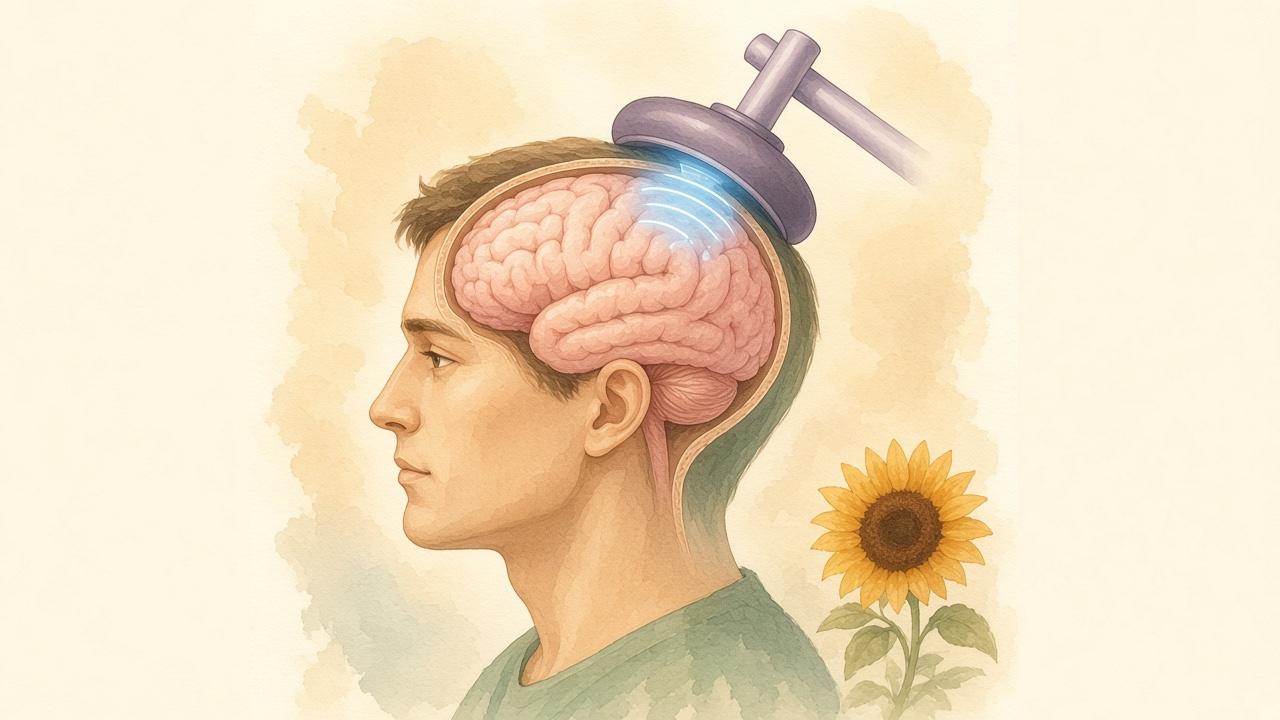
Glucagon-like peptide-1 (GLP-1) is a chemical released by the digestive system in our body. It plays a role in telling our body and brains that we are full,. However, GLP-1 also affects the brain. Think of GLP-1 like a key. That key must fit into a lock, or a receptor, where it exerts its effects in the brain. Scientists have discovered GLP-1 acts on receptors in brain regions that overlap with addiction circuitry. This anatomical overlap provides a plausible mechanism through which GLP-1 receptor activation could influence both food-related and drug-related reward behavior.
Research in animals shows that activating the GLP-1 receptor reduces dopamine-related signaling related to addictive drugs,,. In other words, GLP-1 possibly reduces the feeling of reward that drugs may produce.
What does the research in people show?#
Although animal studies have generated considerable enthusiasm, human research is still developing. So far, alcohol use has been studied the most.
A small trial published in JAMA Psychiatry in 2025 gave 48 adults with alcohol use disorder low-dose semaglutide or a placebo for 9 weeks. People taking semaglutide drank less alcohol in a laboratory drinking test, had fewer drinks on the days they drank, and reported less weekly craving. It did not change how many days they drank. Anecdotally, you may have also heard people who are on GLP-1 medications for diabetes or obesity mention that they drink a lot less alcohol. These results are promising, but the trial was small and anecdotes are not proof, so more research needs to be done on this topic.
Nicotine, cannabis, opioids, and stimulants have not been studied as extensively. Animal studies have shown that GLP-1s may reduce cocaine and nicotine-seeking behavior,,. Although these preliminary results are interesting and warrant research in humans, GLP-1 medications are not FDA-approved treatments for substance use disorders.
Should you take a GLP-1 for drinking or drug use?#
Not on your own. Using a GLP-1 for alcohol or drug use would be off-label, and these medications have side effects, most often nausea, vomiting, diarrhea, and constipation, and less commonly serious problems such as pancreatitis and gallbladder disease. If you are curious, talk with a clinician first.
If you want help now, medications with much more evidence already exist. Naltrexone reduces drinking in people with alcohol use disorder, and you can read how naltrexone works for alcohol,. Varenicline helps people quit smoking; see whether varenicline (Chantix) can help you quit.
Can GLP-1s change our understanding of addiction?#
Anything that makes us feel good can potentially become addictive. As humans, we all want to do things that make us feel good, and this is one of the most unique and exciting parts of being human. However, there is an extent where “feeling good” can become harmful. This is where addiction comes into play.
The fact that GLP-1 affects brain regions that overlap with how our brain processes reward tells us a lot. When we eat too much, ideally our brain would tell us to stop when we are full to avoid overeating. This "brake" malfunctions in addiction to food as well as to drugs.
Perhaps GLP-1s will one day be used to treat substance use disorders. A lot more research needs to be done, but current research shows promising and exciting results.
What does this mean for the future of addiction treatment?#
More and more doctors and scientists are studying how GLP-1s may benefit more than just obesity and diabetes. If and when more studies validate GLP-1 medications as beneficial for addiction treatment, they may eventually become mainstream. I imagine that treating addiction with nonconventional methods such as GLP-1s may help a lot of patients.
Addiction is a serious problem for many people and can lead to major health consequences and even early death, so we urgently need better treatments. GLP-1s offer some hope.