The title of this article is one of the hardest questions that scientists consistently try to answer. I know very well as a scientist and doctor myself that psychiatric disorders, including substance use disorders, develop due to a combination of many factors. Genetic predisposition and environmental stressors are two of the main factors that can lead to a number of different diseases.
But genes do not tell the whole story. Negative early life experiences, life experiences in general, and environmental factors can all influence our genes without changing a single strand of DNA. This field is known as epigenetics. Epigenetic changes affect how our genes are expressed, in other words, how strong or weak our genes "show up" in the world. Someone may have genes that predispose them to developing addiction, but they do not have that "push" from experiences or the environment to allow the addiction to show up. As described above, the process is multifactorial, and we know that there is no one gene or one epigenetic change that contributes to developing depression or addiction.
As an example, let's say patient A is a 15-year-old girl. She was abused as a child by an extended family member and her mother struggled with addiction, which she witnessed daily. Patient A begins to develop symptoms of depression. She no longer enjoys things that she used to enjoy, like dance class. She is sleeping too much and can't find the energy to get out of bed in the morning to go to school. Her grades are suffering. She feels guilty, like this is all her fault, and if she could just not be so lazy her life would be better. She even thinks sometimes about disappearing from the earth. Patient A is experiencing the typical symptoms of Major Depressive Disorder, or MDD. If you ever have thoughts like these, you can call or text the 988 Suicide & Crisis Lifeline at any time, day or night. Fast forward a few years. Patient A goes to a house party and sees her friends drinking beer and taking shots of vodka. She immediately thinks, wow they are having so much fun. Maybe if I drank, I would forget about my symptoms and feel a lot better. That night, and many nights after, patient A drank multiple drinks. And she did feel better. But only for a short time.
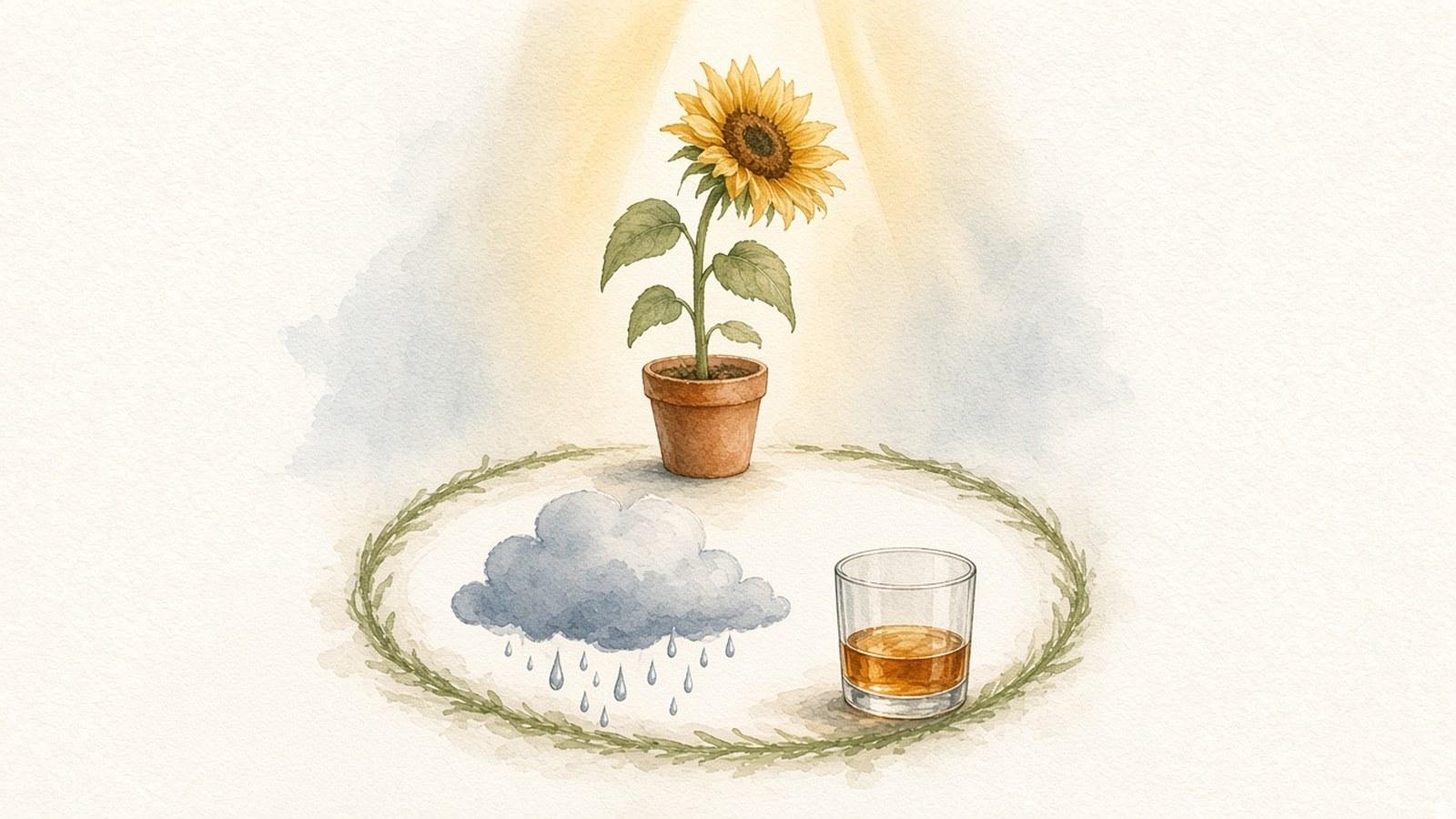
This is an example of a patient with depression self-medicating her symptoms with alcohol. Alcohol initially has an intense rewarding effect, similar to other drugs of abuse. People begin to crave this feeling, as discussed in previous articles. The problem is, the brain circuits involved in reward adapt. In addition, the brain circuits involved in mood also adapt. When alcohol is no longer on board, patients start to feel really bad, and the depression becomes worse. To help this in the short-term, people then drink more. It becomes a vicious cycle.
A lot of psychiatric hospitals and clinics have "dual diagnosis" programs, where they treat patients with both mood and substance use disorders. These disorders tend to overlap significantly. People who self-medicate depression or anxiety with alcohol or other substances usually do best when both the mood symptoms and the substance use are treated at the same time. Psychotherapy can also help tremendously in combination with medications. People who have a primary substance use disorder usually benefit from detox, rehab, and approved medications (such as naltrexone, disulfiram, or acamprosate for alcohol use disorder),.
Still, these disorders can be lifelong battles. Psychoeducation of the patient and family is just as important as medication and therapy. It is important to explain to family members that depression or addiction is not a choice or a character flaw. These are complex diseases of the brain, and people living with them need all the support they can get from family members to aid in recovery.
Let's return to patient A. She went through extremely difficult early life experiences, also called early life adversity (ELA), and she has a family history of substance use disorder. Together, the ELA and her genetic predisposition likely contributed to her developing both depression and alcohol use disorder. Sex and hormones may also shape how depression and drinking affect each other, which I plan to write about in a future article.
If you are struggling with symptoms like the ones patient A experienced, please know that you are not alone. There are many treatment options available, including medication management and therapy. Many people also find support groups helpful, where they can spend time with peers facing similar situations.