
Why Quitting Feels So Bad: Withdrawal, Anhedonia and Relapse#
Substance use disorders are complex diseases of the brain where people continue to use despite social and professional consequences. People with substance use disorders may say that one of the reasons quitting is so hard is because they feel physically and mentally terrible when they quit. These feelings include irritability, restlessness, anxiety, difficulty experiencing pleasure (anhedonia). For many people, that miserable feeling is what pulls them back.
Beyond the High: Why Most Addiction Medications Target Reward#
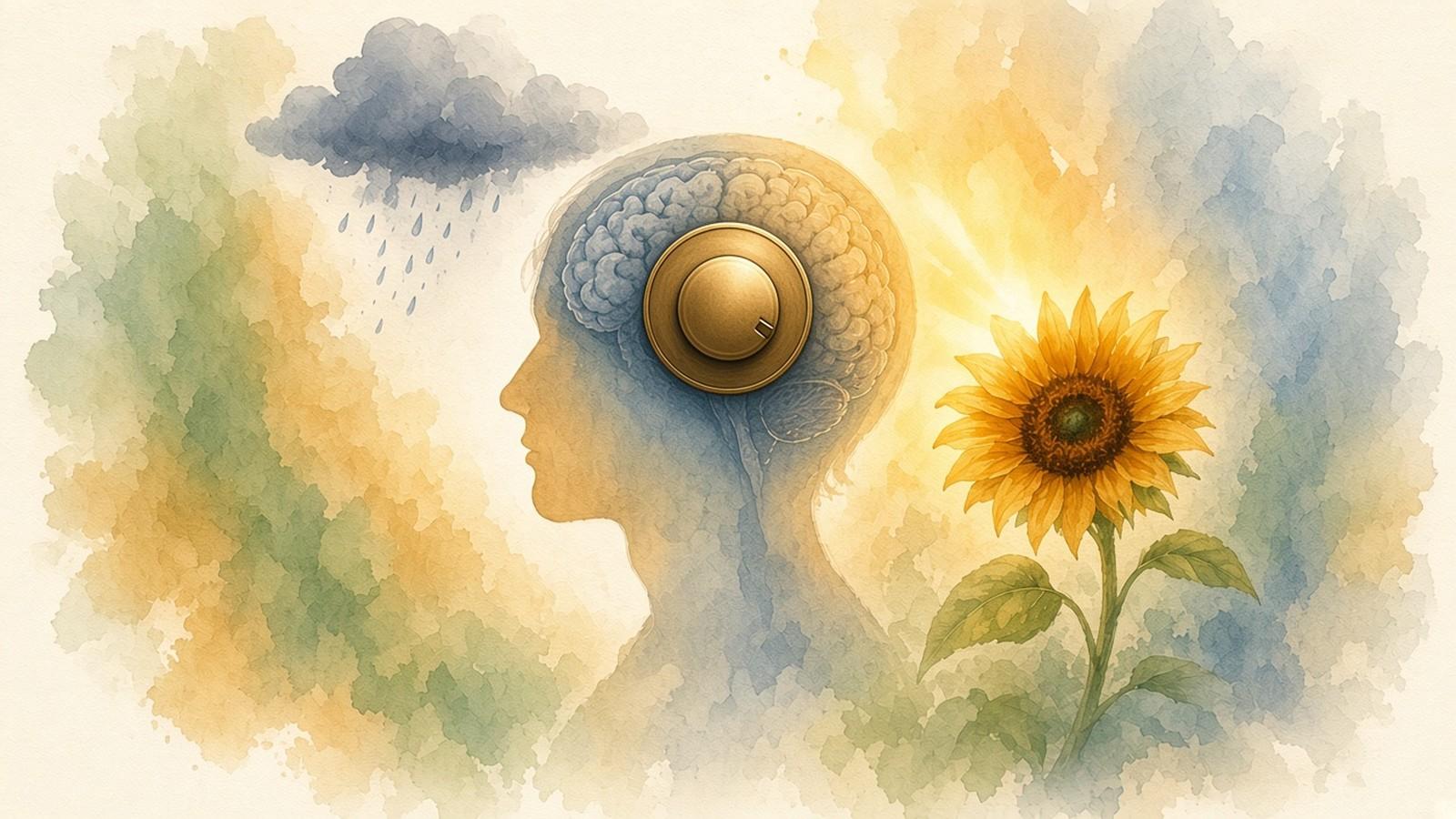
Most addiction medications have focused on the rewarding properties of substances. Naltrexone, for example, as discussed in previous articles, works by reducing the feeling of pleasure that people get from drinking. But there is also a system in the brain that seems to produce the bad feelings that come after the high wears off. If we could turn this feeling of the "misery switch" off or even turn it down, could we make recovery feel less horrible and relapse less likely? That question has driven more than two decades of research, with some exciting findings and some real disappointments.
Dynorphin and the Kappa Opioid Receptor: The Brain's Misery Switch#
The brain also makes a lesser-known opioid with almost the opposite effect. It's called dynorphin, and it attaches to a different class of receptors in the brain known as the kappa opioid receptor. When dynorphin activates kappa receptors, it tends to make people feel worse. People can experience feelings like irritability, low mood, low motivation and anxiety. Scientists call this feeling dysphoria, which means just overall feeling bad.
What Dynorphin Normally Does#
In small doses, this system is useful. It acts like a brake on the brain's reward system. One of its jobs is to turn down dopamine, which, as discussed in previous articles, is also a "feel-good" chemical in our brain. Dopamine is the chemical that drives motivation and the sense that something is worth doing. After a big reward or a stressful event, dynorphin helps bring the brain back to baseline. It also helps us learn to avoid things that hurt us.
How Heavy Use Turns Up the Misery Switch#
Every time someone drinks heavily or uses drugs, the brain gets a big surge of dopamine, which makes them feel on top of the world. To protect itself, the brain releases more dynorphin. Over months and years of heavy use, the brain keeps producing more dynorphin to protect against excessive dopamine. Animal studies suggest the dynorphin and the kappa opioid receptor system becomes overactive with long-term heavy drinking.
The "Dark Side" of Addiction#
To make up for these increasingly bad feelings, people continue drinking or using substances to get the high, pleasurable experiences. When drinking or using stops, the bad feelings come back, such as low mood, anxiety, and difficulty feeling pleasure. Researchers sometimes call this the "dark side" of addiction.
Stress, Dynorphin and Relapse#
This system also works closely with the brain's stress machinery. Stress triggers dynorphin release, and dynorphin makes stress feel worse, and the cycle continues. Brain regions such as the extended amygdala, a set of stress-processing areas deep in the brain, are rich in both stress hormones and kappa opioid receptors. That may help explain why stressful moments are such common triggers for relapse.
From Drinking for Pleasure to Drinking to Stop the Pain#
Over time, many people move from drinking for pleasure to drinking to make the bad feelings stop. At that stage, a medication that only blocks the high may not be enough. The misery itself may need treatment.
20 Years of Research on Kappa Opioid Receptor Blockers#
It seems to make sense that blocking the "misery switch" would help reduce the bad feelings that come on during moments of sobriety. There has been research on blocking kappa opioid receptor in the brain. In one study in rats, a kappa blocker eased anxiety-like behavior during alcohol withdrawal. It didn't change normal drinking, but it reduced drinking that had escalated after long-term heavy exposure. A 2024 study from Scripps Research found something similar with another kappa blocker. It reduced drinking in rats with a history of alcohol dependence but had no effect on rats without one. This suggests that these drugs may act mainly on the changes in the brain that addiction causes, not on normal behavior.
What Worked, What Didn't: Kappa Blocker Clinical Trials#
In humans, the results have not been as clear. The biggest tests of kappa blockers so far have been in depression, not addiction, because the lows of depression and the lows of withdrawal share a lot of brain biology.
In early 2025, a large trial of a kappa blocker called navacaprant failed to work better than placebo for depression. Two more large trials of the same drug also came up short, and in June 2026 the company stopped developing it. In March 2025, Johnson & Johnson ended its late-stage depression program for aticaprant, another kappa blocker, because it didn't work well enough. In both cases, the drugs were safe and well tolerated. They just didn't relieve depression better than a placebo.
Interestingly, in the first navacaprant trial, women seemed to respond better than men, though the difference wasn't conclusive. I plan to write about sex differences in addiction in future articles, as my PhD in neuroscience focused heavily on the sex differences in brain circuitry in addiction and mood disorders.
What this means for you today#
No kappa blocker is approved for addiction at this time. However, the science behind them still offers something useful right now: a better way to understand early recovery.
If you feel worse in the weeks after you stop drinking or using, that feeling is nothing to be embarrassed about, and happens to many people. As discussed above, the brain adapts to heavy drinking or substance use.
In the meantime, there are proven ways to soften the lows:
- Medications that are available now. Naltrexone and acamprosate are both approved for alcohol use disorder. Some researchers have suggested acamprosate may be a better fit for people whose drinking is driven by relief rather than reward, though the trial that tested this mainly found that naltrexone worked better for reward drinkers.
- Treating depression and anxiety directly. If low mood or anxiety comes before or outlasts the drinking, it deserves its own treatment. I wrote more about this in Depression and Drinking: Chicken or the Egg?.
- Protecting sleep, moving your body and lowering stress. These aren't just wellness tips. Each one helps calm an overworked stress system.
- Therapy and support. Therapy can help you learn to ride out bad moments without reaching for a drink.
The search for a "misery switch" medication isn't over. It has been a reminder that addiction is about more than chasing a high. For many people, it's about escaping a low.